

Custom Photo Books Guide February 2026
Long gone are the days of fumbling with sticky magnetic pages and plastic sleeves that never quite stayed put. Modern photo books online let you design custom layouts right from your phone or computer, with professionally printed pages that look like real books. Between layflat binding, archival paper, hardcover versus softcover, and sizes from pocket-friendly to coffee-table ready, there is more to figure out than simply uploading your favorite shots. This guide walks you through each choice so you end up with a book that truly does your memories justice.
TLDR:
- Photo books turn digital photos into professionally printed, bound keepsakes that last for generations.
- Prices usually range from $15 to more than $40 based on size and materials; archival-quality paper helps prevent fading.
- Physical books solve digital obsolescence by avoiding passwords and changing tech.
- Pair photos with written stories to create meaningful keepsakes your grandchildren will cherish.
- Storyworth Celebrations combines collaborative storytelling with photos in archival-quality books.
What Is a Photo Book and How Does It Work
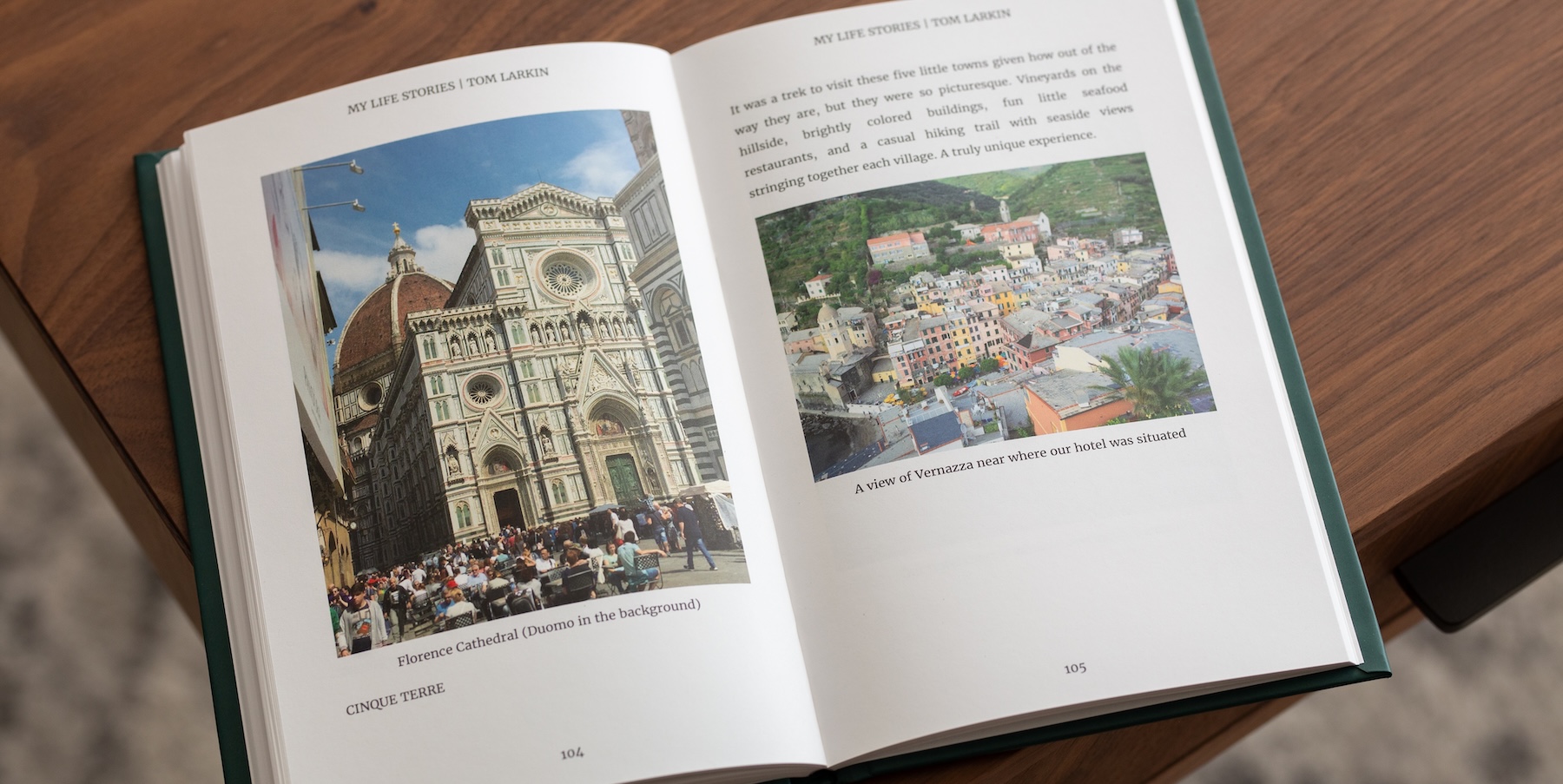
A photo book is a professionally printed, bound keepsake in which your digital photos are printed directly on high-quality pages. Unlike older albums with plastic sleeves, these books integrate images into the page along with captions or stories, creating a cohesive result that feels like a real book.
The process is straightforward: choose your photos, select a book size and cover style, then arrange your images using drag-and-drop templates or custom layouts. Add captions and any text you like, approve the final design, and the company prints, binds, and ships your book. The result turns scattered digital files into something you can hold and pass around at family gatherings.
Types of Photo Books: From Hardcover to Layflat
Photo books come in several formats, each suited to different projects. Hardcover books offer sturdy binding and protective covers, making them ideal for keepsakes like family yearbooks or milestone celebrations. Softcover books use flexible covers at a lower price and work well for projects you plan to make regularly. Layflat books use a special binding that opens completely flat without a deep center gutter, which works well for wide scenic photos or two-page spreads where you want a continuous image. Larger coffee table books are premium hardcovers designed for display, while mini books provide small, portable versions.
Photo Book Sizes and How to Choose the Right One
Smaller formats work well as gifts or travel albums and memorial books that you can easily transport. Mid-size square books offer balanced proportions that suit most photo orientations and fit nicely on shelves. Larger formats shine as coffee table books or wedding albums, giving your photos room to breathe and creating visual impact when displayed.
Understanding Photo Book Paper Quality and Archival Standards
Paper quality determines whether your photo book will last for decades or start to fade after a few years. Archival-quality books use acid-free ink on acid-free, lignin-free paper, which helps prevent yellowing and brittleness that can damage photos over time.
Paper finish affects both appearance and handling. Glossy paper delivers vivid colors and sharp contrast but shows fingerprints easily. Matte finishes reduce glare and are easier to handle, but may appear slightly less saturated. Lustre finish offers a middle path with a soft sheen and good durability.
At Storyworth, we print our books on archival-quality materials designed to protect your family’s stories for generations.
The Photo Book Market: Growth and Consumer Trends in 2026
The photo book market hit $3.51 billion in 2026 and is projected to grow to $4.95 billion by 2032. Families are driving this growth with personalized keepsakes like “Baby’s First Year” albums and annual compilations that document milestones, often created alongside Storyworth Celebrations. Professional photographers use photo books as high-quality portfolios for clients. Even with the dominance of digital photography, many people still want their most meaningful memories preserved in physical form, so they can take them off the shelf and share them.
Creating Photo Books for Every Occasion
Photo books work for nearly any milestone and turn photos into keepsakes that outlast digital galleries. Wedding albums pair ceremony photos with guest messages. Travel books organize adventures by destination. Baby books track monthly milestones through the early years. Anniversary books show families growing over time and can help you make a family book that celebrates a shared journey.
Memorial books honor loved ones by gathering family photos and memories into a shared tribute. Retirement books celebrate career moments. Graduation albums capture the path from freshman year through commencement.
Each occasion calls for design choices that match the event's tone and the preferences of the recipient.
Digital Photos vs Physical Photo Books: Why Print Still Matters
Digital photos are convenient, but scrolling through thousands of images on a phone rarely feels the same as holding a finished book. Physical photo books engage multiple senses and encourage you to slow down, and the act of selecting which moments to print deepens your connection to those memories.
Printed books also help mitigate the risks of changing technology, which is why Storyworth Memoirs focuses on creating lasting printed keepsakes. Hard drives fail, cloud services shut down, and file formats change. A printed photo book needs no software, passwords, or devices to view. Your grandchildren will simply open the cover rather than search for compatible tech.
How to Design a Photo Book That Tells Your Story
The best photo books tell stories along with displaying images, and you can even create a QR code memory book to gather photos and stories digitally at an event or gathering. Start by choosing an organizing idea. Chronological order works well for vacations or a baby’s first year. Thematic organization groups photos by subject or emotion across different time periods.
Think in chapters to create narrative flow. Each section should guide readers naturally from wide shots that set context to closer, more intimate moments, especially if you are building the best memory book for family stories.
Captions turn snapshots into stories. Replace generic descriptions like “At the beach” with specific details such as “The first time Sarah convinced Dad to build a sandcastle.” Keep captions brief but concrete.
Give images room with intentional white space. Mix full-page spreads of standout photos with multi-photo layouts for supporting moments. Choose simple, readable typefaces and understated design elements so the photos stay at the center of attention.
Cost Considerations: What to Expect When Ordering Photo Books
Photo book prices usually range from around $15 for softcover books to more than $40 for premium hardcovers. Size influences cost because larger books require more paper and ink, and extra pages often add $0.50 to $1.50 each. Upgrading to lustre or archival finishes can add $10 to $30.
Ordering multiple copies of the same book reduces per-unit pricing, making it practical to share memories with family using collaborative memory book services. While seasonal promotions exist, comparing final prices after shipping often reveals better value. Premium pricing typically reflects archival materials and binding methods that preserve your memories for decades.
Photo Books as Story-Driven Memory Keepsakes
Photos capture moments, but stories give them meaning. At Storyworth, we designed Celebrations to combine both. Families and friends can collaborate to create books pairing photos with written memories, adding context that turns images into narratives worth preserving.
Celebrations are the perfect group gift for birthdays, weddings, and retirements. They can also be used to chronicle a child’s first year, create a family history book, or celebrate the life of someone who has passed.
When your children or grandchildren flip through the pages of your Celebrations photo book years from now, they will see the photos, read the stories behind them, and understand what those days felt like for the people who were there.
Final Thoughts on Preserving Memories Through Photo Books
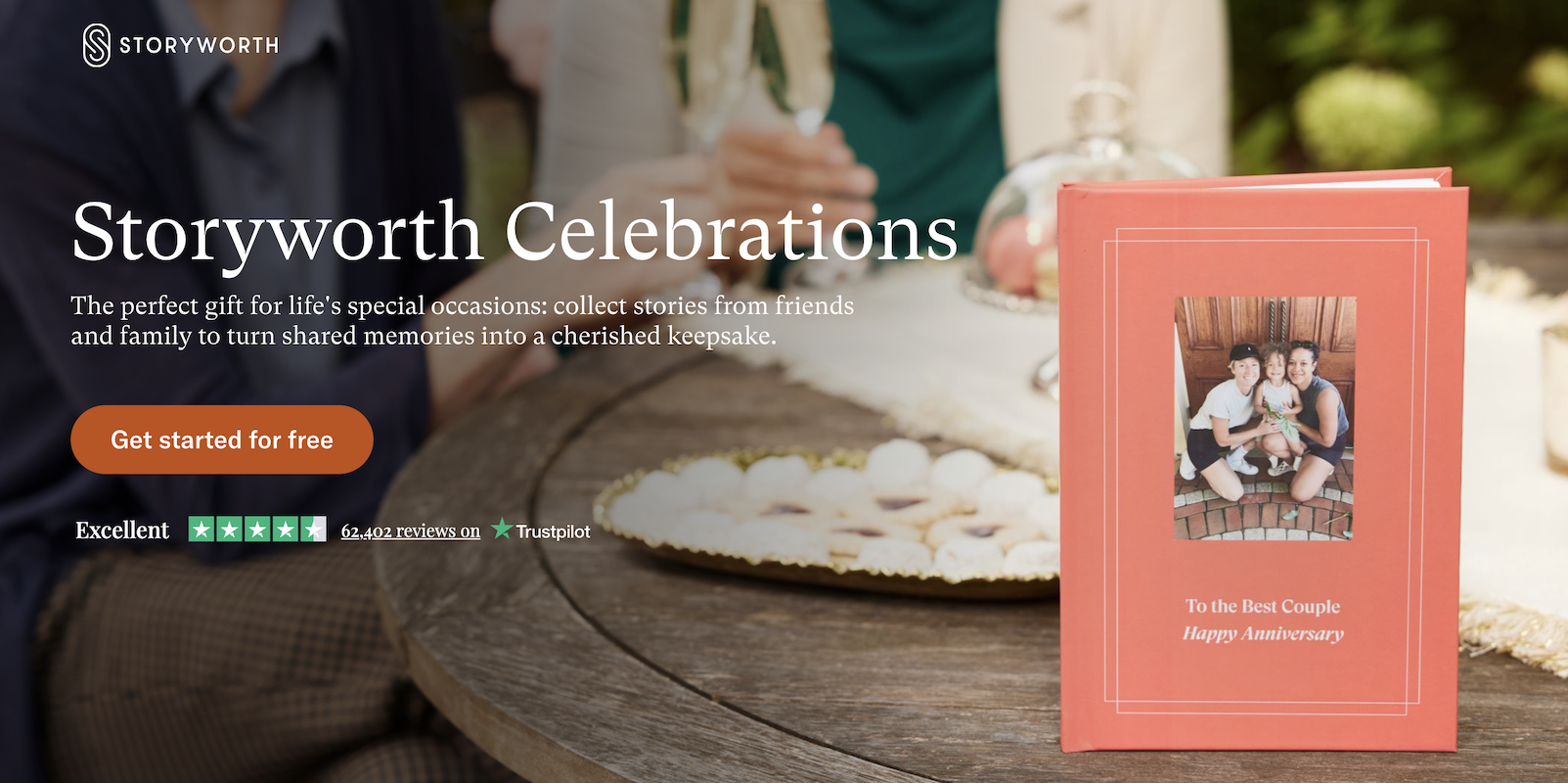
Digital galleries can't replace the experience of flipping through personalized photo books that tell your family's real story. Choosing archival materials means your memories stay vibrant for generations instead of fading within years. Adding written context converts your favorite photos from nice images into narratives worth preserving.
You can start your Storyworth book and create something physical that your family will hold onto long after devices become obsolete.
FAQs
How long does a photo book last compared to digital photos?
When printed on archival-quality, acid-free paper with archival ink, a photo book can last for generations without fading or yellowing, often 100 years or more when stored properly. Digital photos face risks from hard drive failures, cloud service shutdowns, and changing file formats that can make them hard to access within a much shorter time.
What size photo book should I choose for a family yearbook?
For family yearbooks, an 8x8 or 10x10 square format works well because it accommodates both portrait and horizontal photos and fits nicely on standard bookshelves. If you want a book that stays on a coffee table, consider an 11x14 or 12x12 size for more visual impact.
Can I include written stories with my photos in a photo book?
Yes, and this is often what makes a photo book truly meaningful. At Storyworth, our Celebrations feature lets families collaborate to create books that pair photos with written memories and stories, giving context that turns images into narratives your grandchildren can appreciate years from now.
What is the difference between glossy and matte paper for photo books?
Glossy paper delivers vivid colors and sharp contrast but shows fingerprints and glare more easily. Matte finishes reduce glare and handle better but may look slightly less saturated. Lustre paper offers a middle option with a soft sheen, combining durability with good color reproduction.
How many copies of a photo book should I order?
Start by ordering one copy to review the quality, then order additional copies for family members who would value the memories. Many photo book companies lower the price per book when you order multiple copies of the same project, which makes it easier to share keepsakes with siblings, grandparents, and other relatives.
